Is your site HAZCHEM compliant? Find out in 20 minutes with our free assessment tool!
Is your site HAZCHEM compliant? Find out in 20 minutes with our free assessment tool!
Choosing the right coveralls or hazmat suit matters. The wrong choice can leave workers exposed to dust, liquid splashes, airborne contaminants or chemical hazards that require controlled handling. The right choice keeps your team protected without sacrificing comfort or mobility.
pH7 supplies a full range of protective suits and disposable coveralls to NZ distributors and retailers, sourced from manufacturers whose products meet recognised international safety standards.
Read more…
Not all coveralls are equal. Protection levels vary significantly depending on material construction, seam type, barrier performance and breathability. Before selecting PPE, it helps to identify the hazard type and exposure level your end users are working around.
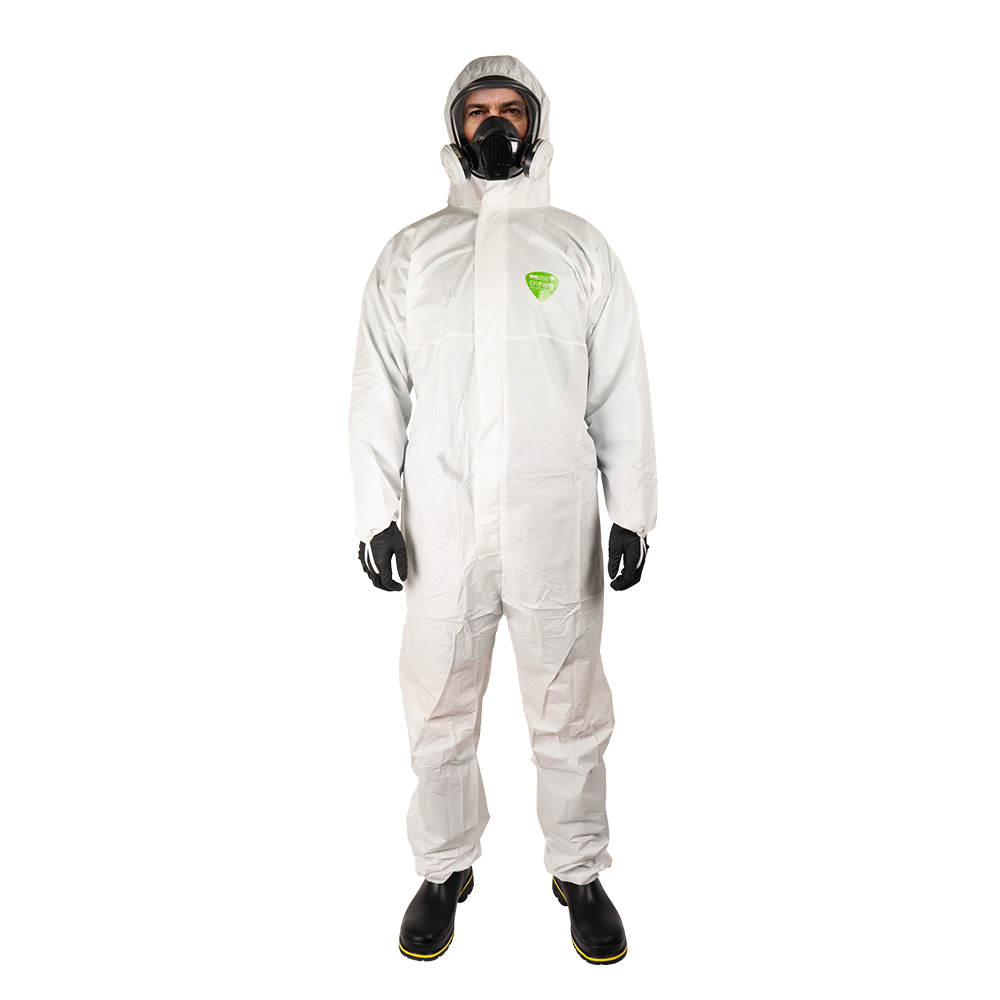
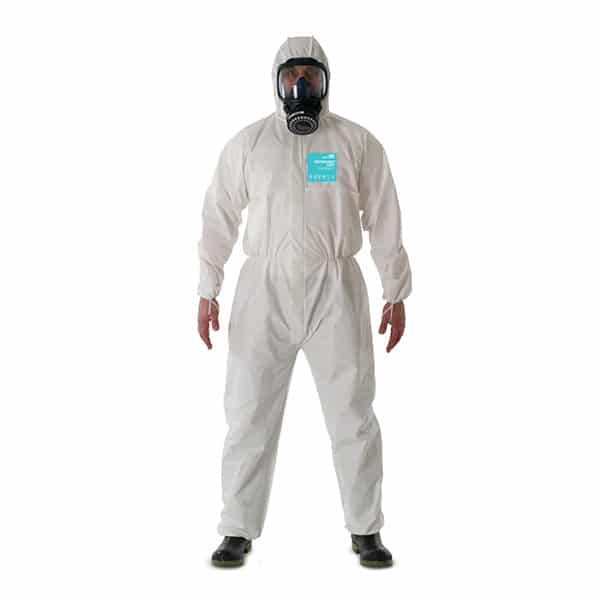
For light-duty tasks involving dust or non-hazardous particulates, lightweight disposable coveralls offer practical single-use protection that reduces cross-contamination risk and simplifies disposal. For higher-risk environments involving chemical splash, toxic dusts or substances requiring strict contamination control, a white hazmat suit or full body protection suit with reinforced seams and rated barrier materials is the more appropriate choice.
Fit also affects compliance. PPE that is uncomfortable or poorly sized tends to be worn incorrectly or not at all. pH7 stocks coveralls for women and men in various sizes to support a better fit across diverse workforces.
Our coveralls and hazmat suit NZ range includes options across multiple protection categories:
All products are sourced from reputable manufacturers and independently tested for performance in demanding workplace conditions.
pH7 supplies coveralls and protective suits exclusively through NZ distributors and retailers. If you are a distributor or retailer looking to stock our range, contact the pH7 team on 0800 323 223 or use the live chat on our website. We can help you match the right products to your customers’ workplace needs.
Read less
Home / Products / HAZCHEM Personal Protective Gear / Protective Coveralls / Page 2
Discover our range of protective coveralls, designed for safety and comfort in various work environments. Engineered with durable materials and thoughtful features, our coveralls offer reliable protection against hazards while ensuring freedom of movement.
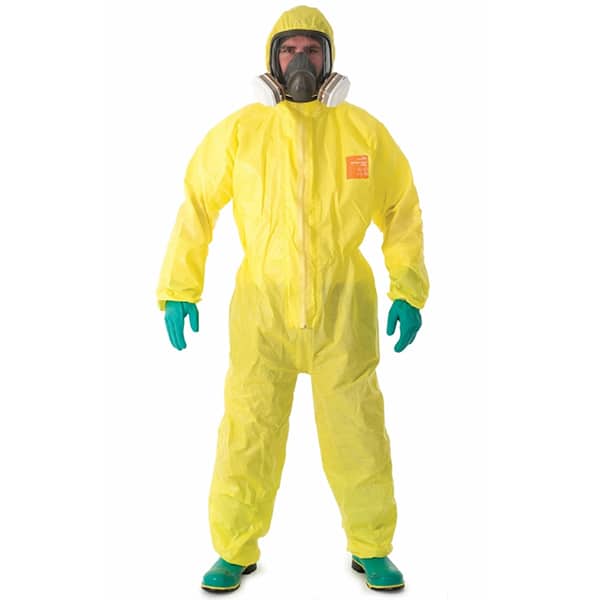
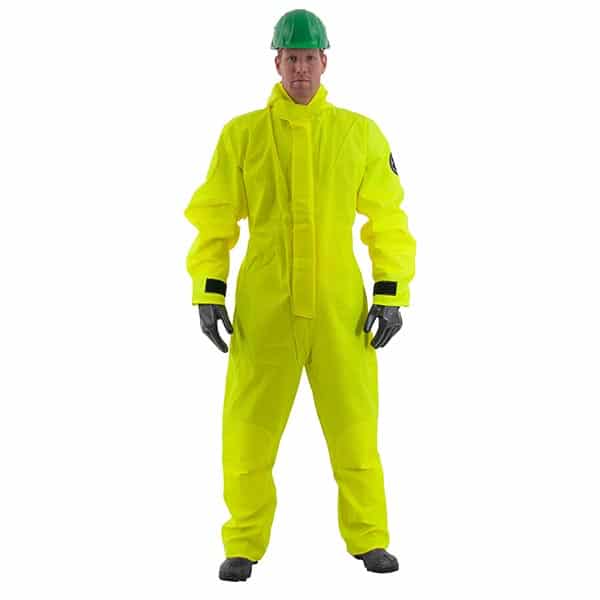
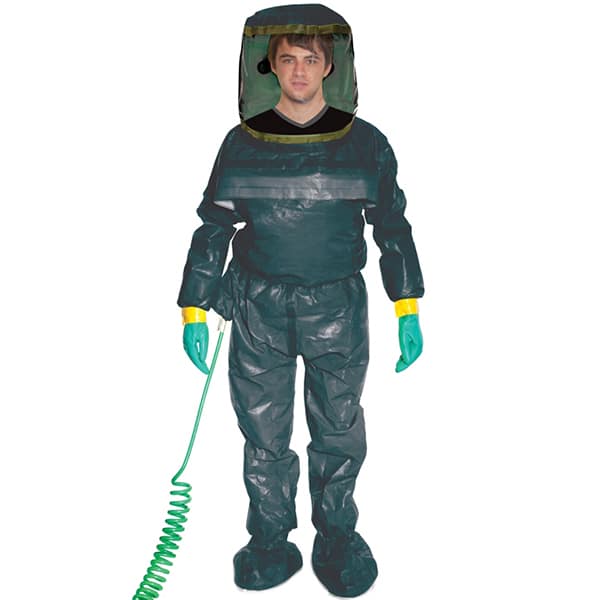
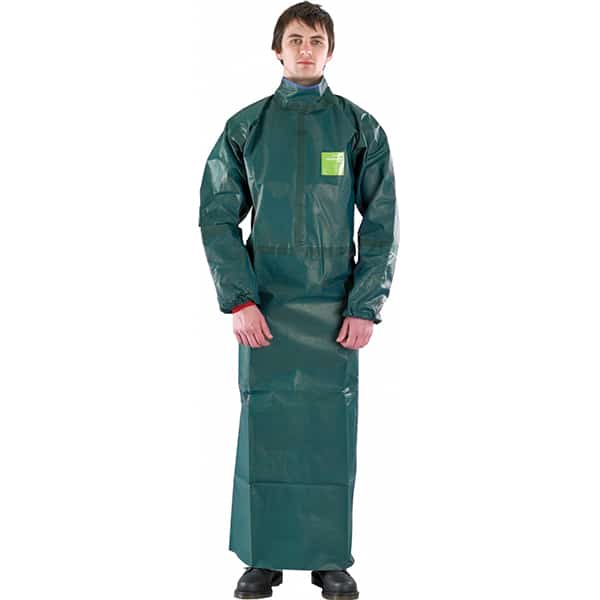
pH7’s hazchem coveralls are designed for high-performance protection in hazardous environments. Our range includes Type 1, 3, 4, 5, and 6 chemical protective coveralls, providing barriers against liquid splashes, fine particulates, and biological contaminants.
Each garment is independently tested and certified to meet or exceed European and AS/NZS standards for chemical protective clothing. Different chemical coveralls are made from different materials and only suitable for specific applications.
It’s important you select the correct coverall for the hazardous you’re likely to encounter. Contact pH7 to help select the correct coverall for your application
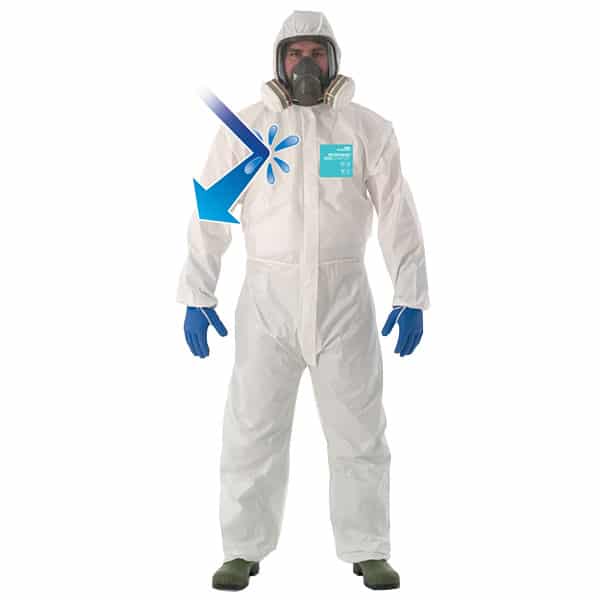
In New Zealand chemical coveralls typically use the European Standards which provide a comprehensive testing regime for various chemical protection Types, e.g. Type 3 Protection from strong directional jets. All pH7 coveralls are tested against the relevant EN Standard.
Relevant standards that our coveralls are tested against include:
Check each coverall for the specific certifications that it has achieved.
pH7 partners with globally recognised manufacturers to ensure consistent compliance across our hazchem PPE range. Every coverall we supply is traceable to its certification and documentation, supporting your site’s HSWA and WorkSafe NZ compliance obligations. This gives you confidence that your protective garments are fit-for-purpose, regulation-ready, and trusted in high-risk environments.
Yes, our hazchem coveralls are designed to be worn over standard workwear or uniforms as an additional protective barrier layer. Their generous fit and ergonomic design allow unrestricted movement while maintaining a full-body seal against hazardous liquids, particulates, and biological contaminants.
Some coveralls such as the SureShield SS150 and SS200 and the AlphaTec 1500 and 2000 do allow warm air to permeate through the material and can be more comfortable to wear for longer duration and in hot environments.
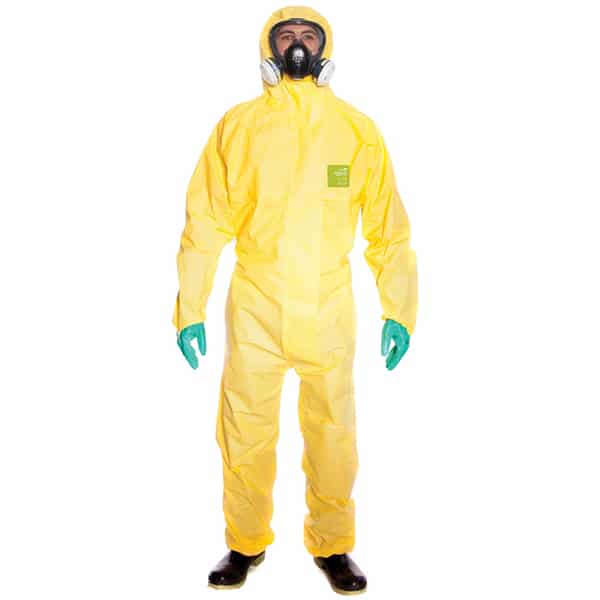
However, chemical suits such as the AlphaTec 2300 Plus, 3000, 4000 and 5000 are not breathable by design. It’s important that you choose the correct coverall for your application. Breathable suits are rarely appropriate when working with toxic or corrosive chemicals. Our pH7 staff can help you choose the correct coverall for your application.
Selecting the correct coverall begins with a hazard assessment of the substances and tasks involved. Different chemicals and exposure levels require different protection types and fabric technologies. pH7’s hazchem coveralls are available in Type 1, 3, 4, 5, and 6 classifications, each designed for specific levels of liquid or particulate protection:
When choosing a coverall, consider:
pH7 partners with leading PPE manufacturers and uses data from tools such as the Ansell Guardian chemical permeation database to help you match garments to specific substances and exposure levels. Our team can provide guidance and certification documentation to ensure your coverall selection aligns with WorkSafe NZ and HSWA requirements, giving you confidence that your PPE is fit-for-purpose and fully compliant.
Our protective coveralls are constructed from high-performance barrier fabrics engineered to deliver reliable protection while maintaining wearer comfort and mobility. Our range includes garments made from microporous film laminate, SMS (Spunbond-Meltblown-Spunbond) non-woven polypropylene, and other multi-layer composite materials designed for specific hazard environments.
All materials are tested and certified to recognised European standards so you have the confidence that they will perform in your environment.
Yes, pH7 offers a range of chemical protective coveralls specifically designed for handling hazardous substances. However, not all coveralls protect against all chemicals, so it’s important that choose the correct coverall for your application. Asking pH7 to conduct an Ansell Chemical Guardian Assessment is a good place to start. This will help identify the correct barrier material you should be using for the hazardous chemicals you need to be protected from.
All chemical protective coveralls supplied by pH7 are independently tested and certified, ensuring compliance with the relevant European standards. Whether you’re handling industrial solvents, acids, cleaning agents, or biological contaminants, our garments form a reliable barrier that safeguards workers and supports regulatory compliance.
This depends on the coverall type, material, and intended use. Coveralls typically fall into three categories:
Selecting the correct size is essential to ensure both comfort and full protective performance. A properly fitted coverall should allow free movement without restricting mobility or causing fabric tension at stress points such as the shoulders, knees, and crotch.
Our coveralls are designed to be worn over standard workwear, so we recommend selecting a size that provides adequate room for layering and range of motion. Many garments feature elasticated cuffs, ankles, hoods, and waists, as well as gusseted panels and ergonomic seam placement to enhance flexibility and maintain a secure barrier when bending or stretching.
Each product includes a detailed size chart based on body height, chest, and waist measurements.
If you’re between sizes, choose the larger option to prevent strain on seams and zippers, particularly for chemical-resistant and Type 3/4 certified coveralls, where barrier integrity is critical.
Our technical team can assist with fit and garment selection to ensure each worker achieves optimal protection.
Yes, our protective coveralls are designed to safeguard against a wide range of particulate, liquid, and aerosol hazards. Most garments in our range are Type 1, 3, 4, 5, or 6 certified under EN 14605, EN 13982-1, and EN 13034, providing graduated levels of protection depending on the exposure risk:
For environments with ignition or thermal hazards, we also range flame-retardant and anti-static coveralls that meet EN 14116 and EN 1149 standards, reducing ignition risk while maintaining comfort, flexibility, and breathability.
Whether dealing with chemical sprays, fine particulates, or flammable atmospheres, pH7’s protective garments provide certified, full-body coverage to keep workers safe and compliant.
Both microporous film and SMS (Spunbond-Meltblown-Spunbond) non-woven fabrics are widely used in disposable protective coveralls, but they provide different levels of barrier performance, breathability, and strength depending on the application.
In summary, microporous coveralls offer superior liquid and chemical protection, while SMS coveralls prioritise breathability and comfort in dry environments.
WANT TO HEAR ABOUT OUR
LATEST UPDATES?
SIGN UP TO OUR MAILING LIST