Our ALL NEW Glove Range is now available! Click here to browse a wide variety of gloves.
Secondary spill containment is essential for safely managing hazardous liquids and meeting workplace safety compliance standards. By capturing leaks or spills before they escape the primary container, these systems protect workers, infrastructure, and the environment from contamination, corrosion, and fire hazards.
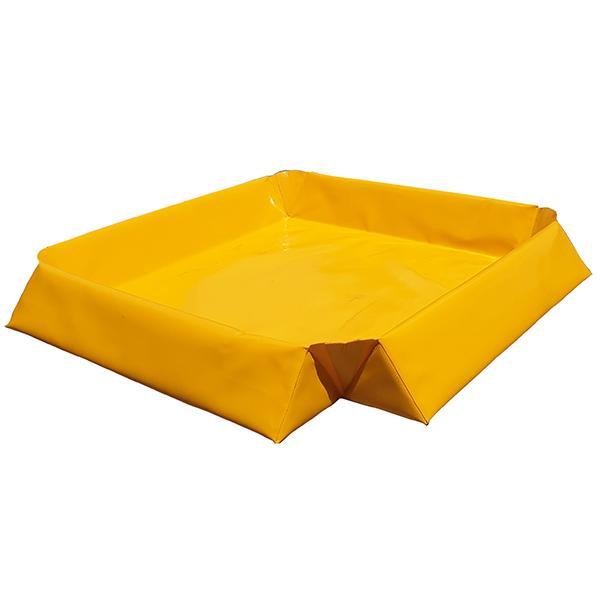
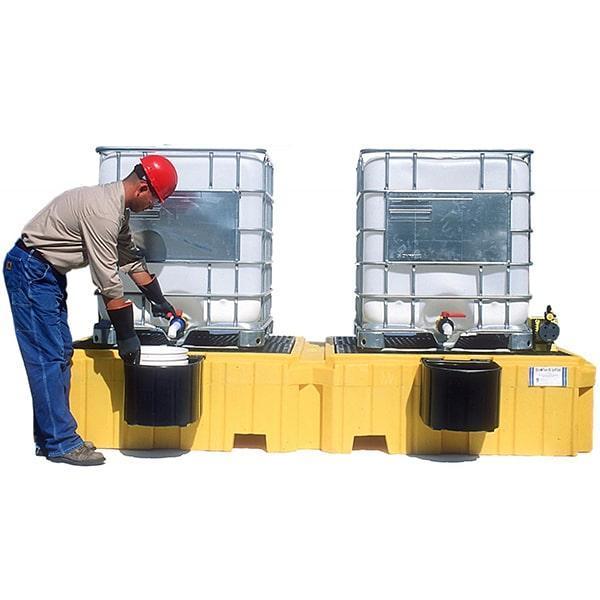
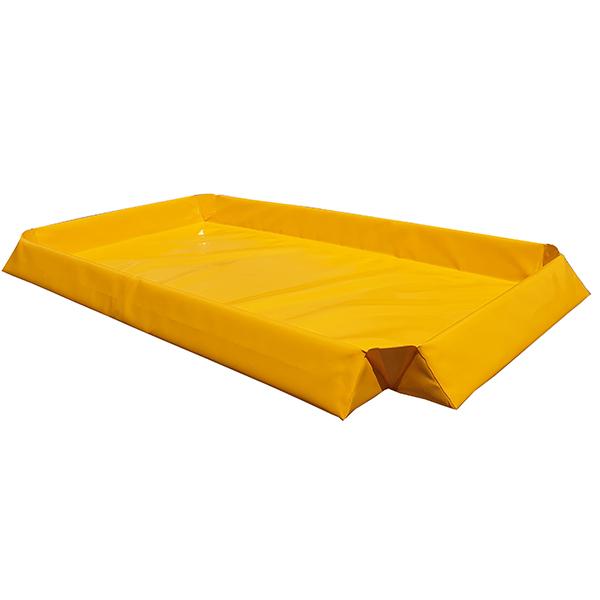
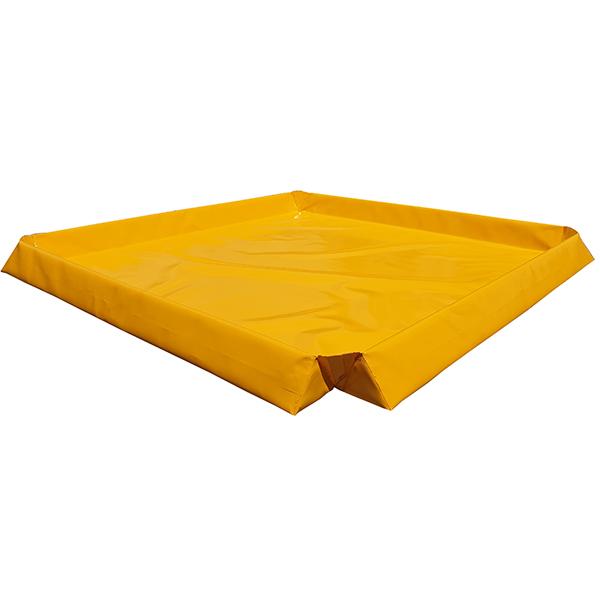
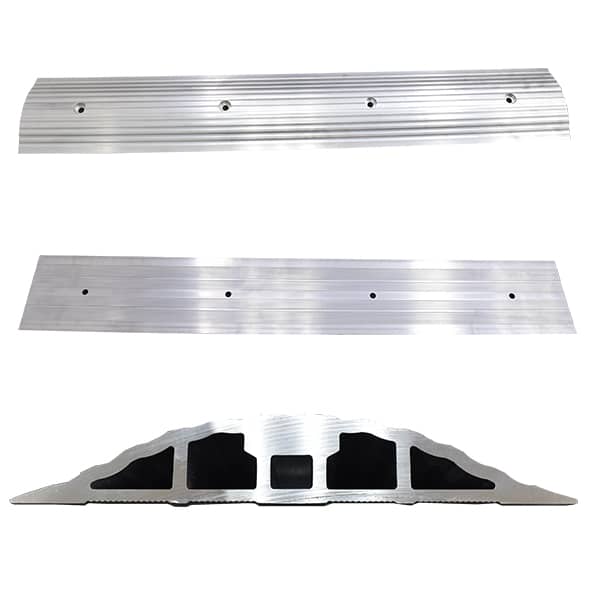
At pH7, we offer a comprehensive range of secondary spill containment solutions to meet diverse industrial needs. Our range includes spill pallets and spill containment platforms for drum storage, portable bunding solutions for flexible site use, and durable drive-over bunding barriers for high-traffic areas. For active workspaces, a spill containment workstation combines secure storage and spill control in one efficient unit.
Read more…
Smaller-scale spill management is just as important. A drum spill tray, oil spill containment trays, or oil drum spill containment system is ideal for capturing minor leaks during chemical handling or machinery maintenance.
We also stock both 2 drum spill containment pallets and 4 drum spill containment pallets to suit your storage capacity needs. Selecting the right system depends on the type of substances stored, container size, location (indoor or outdoor), and the required spill capacity. Compatibility between your bunding or containment solution and stored materials is crucial.
If you’re unsure which option is right for your site, our expert team can conduct on-site storage risk assessments. We’ll recommend the most effective and compliant setups—whether that’s oil spill containment trays, portable bunding solutions, or a customised combination designed for your operations.
Explore our full secondary spill containment range today to keep your workplace safe, compliant, and spill-free.
Read less
Home / Products / Hazchem Chemical Storage / Secondary Spill Containment / Page 3
Safeguard against spills and leaks with our HAZCHEM Secondary Containment solutions. From spill pallets to portable containment bunds and everything in between. Select from the categories below.
Secondary containment refers to any system designed to capture and contain spills, leaks, or overflows from primary containers holding hazardous substances. It’s a critical component of hazchem safety compliance in New Zealand, preventing environmental contamination and protecting workers from exposure.
Typical secondary containment systems include spill pallets, bunded platforms, drive over bunds, portable containment trays, and portable containment berms (PCBs).
By installing compliant secondary containment, businesses reduce environmental liability, maintain WorkSafe NZ compliance, and demonstrate due diligence under the Health and Safety at Work (Hazardous Substances) Regulations 2017.
pH7 offers a comprehensive range of secondary containment solutions designed for indoor and outdoor use, compatible with most classes of dangerous goods. Our range includes:
Choosing the correct spill pallet or bund capacity depends on your container size, storage configuration, and site compliance requirements.
When selecting a spill pallet or bund, consider:
pH7’s technical team can help calculate compliance bund capacities and recommend the best secondary containment system to meet your obligations under the health and safety at work hazardous substance regulations.
Secondary containment equipment must be regularly inspected and maintained to ensure ongoing compliance and effectiveness.
Key maintenance steps include:
Secondary containment systems should be installed in areas where hazardous substances are stored, dispensed, or transferred, ensuring any leaks or spills are captured before reaching drains, soil, or waterways.
Spill pallets, bunded platforms, and IBC bunds should be positioned to:
For outdoor containment, choose UV-stabilised polyethylene units or weather-resistant steel bunds, and consider installing rain covers or sump pumps to manage stormwater accumulation.
Correct placement of secondary containment not only ensures EPA containment volume compliance (110% rule) but also supports your HSWA 2015 environmental protection obligations.
WANT TO HEAR ABOUT OUR
LATEST UPDATES?
SIGN UP TO OUR MAILING LIST