Is your site HAZCHEM compliant? Find out in 20 minutes with our free assessment tool!
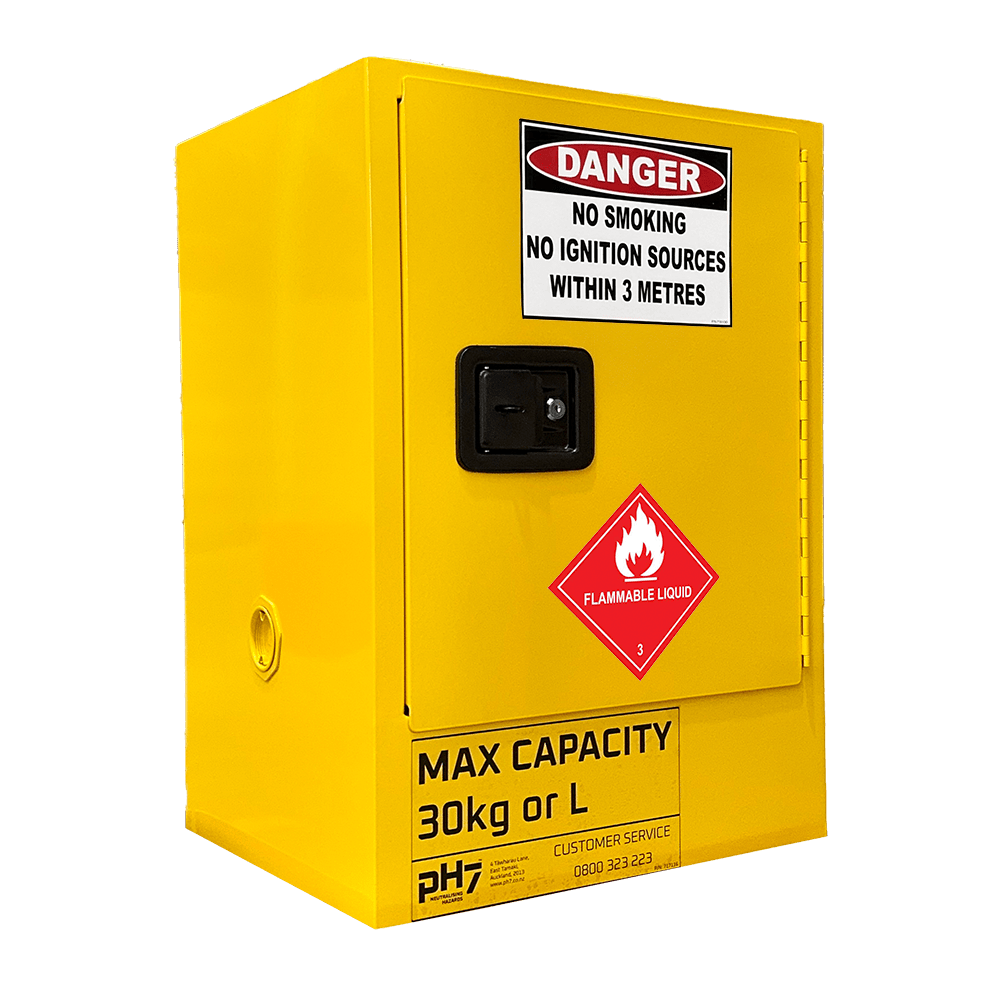
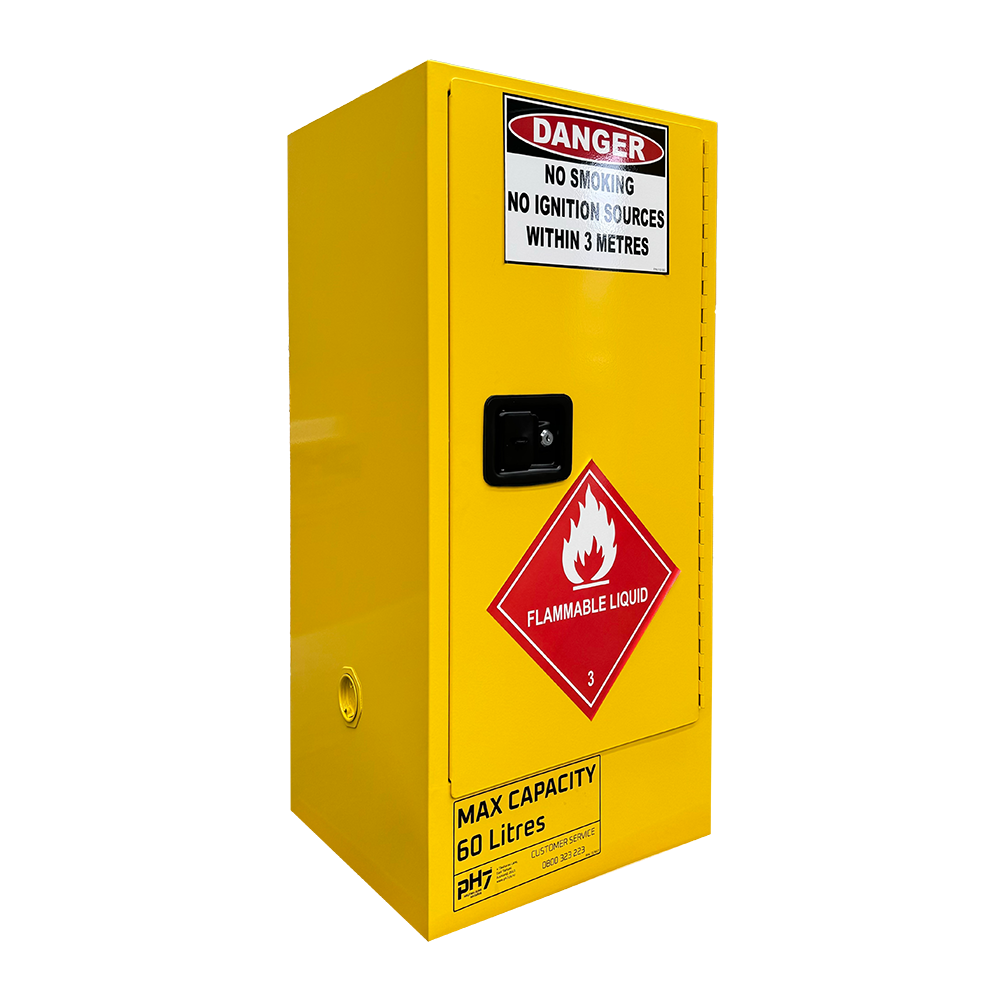
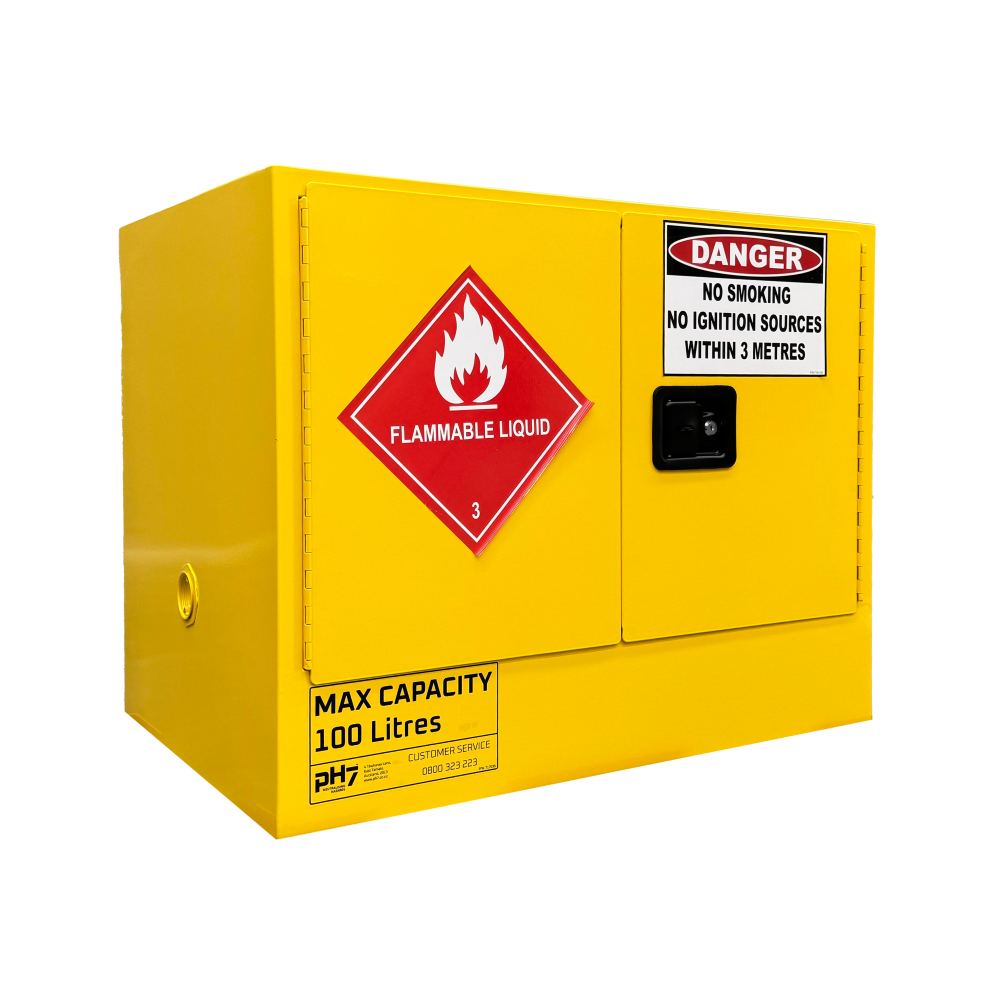
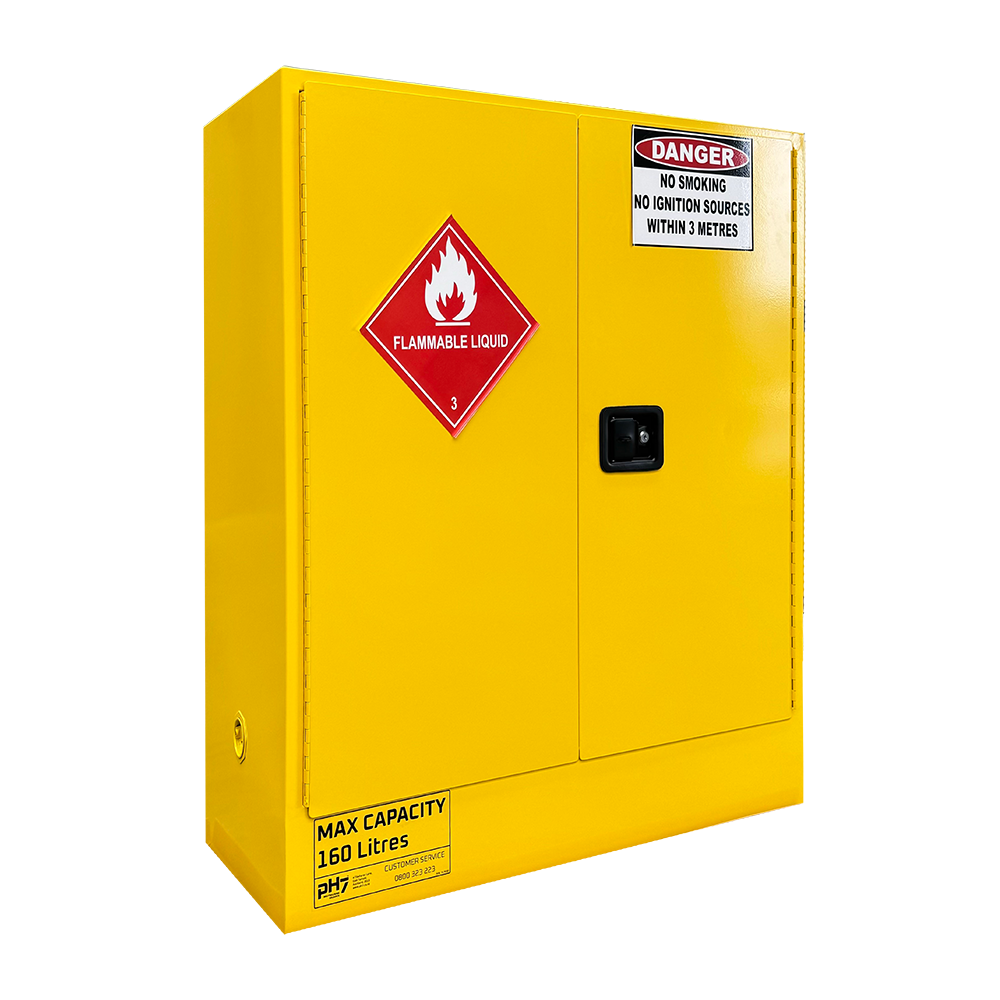
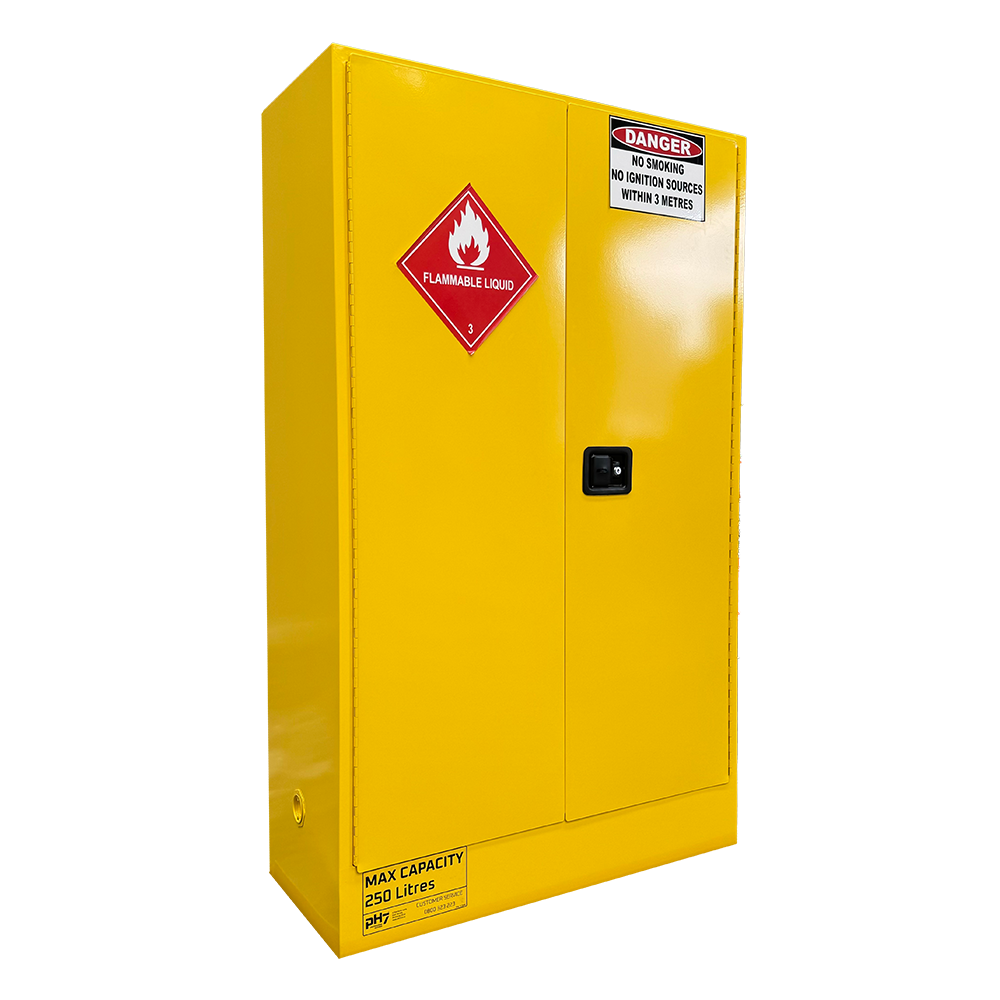
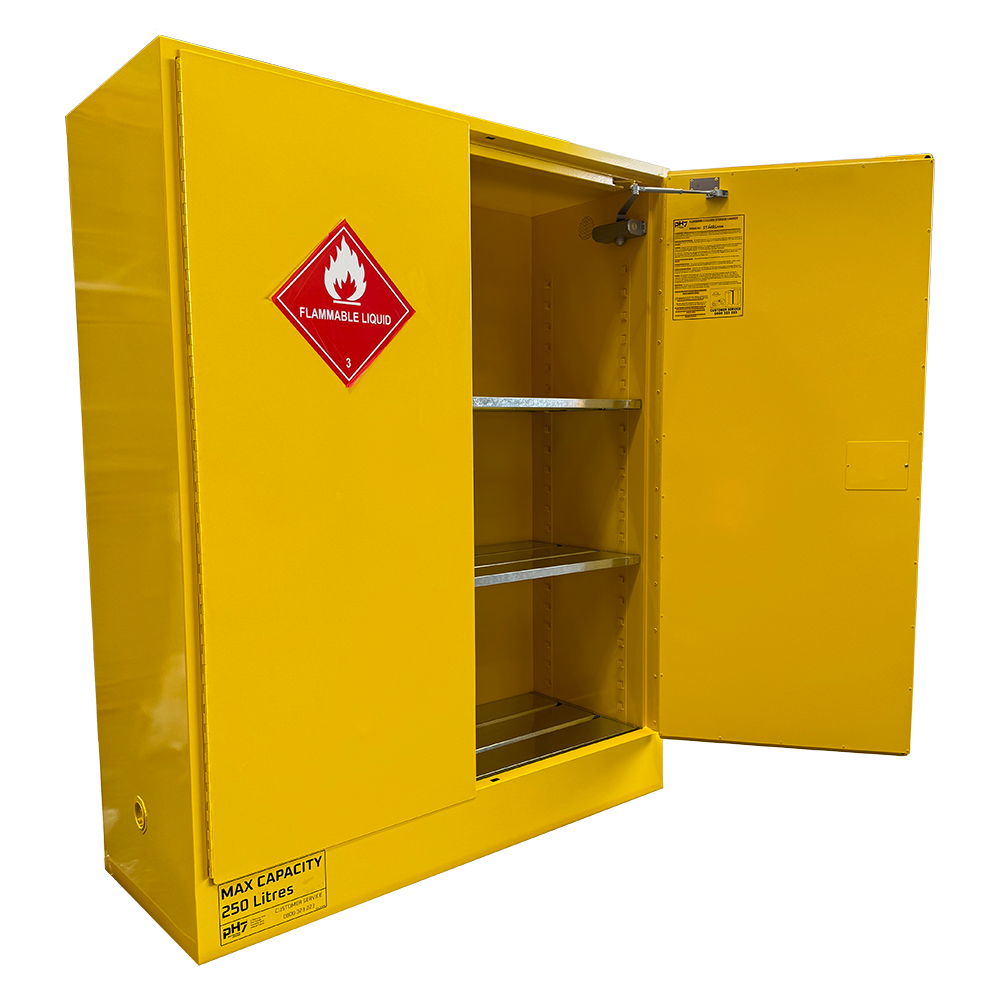
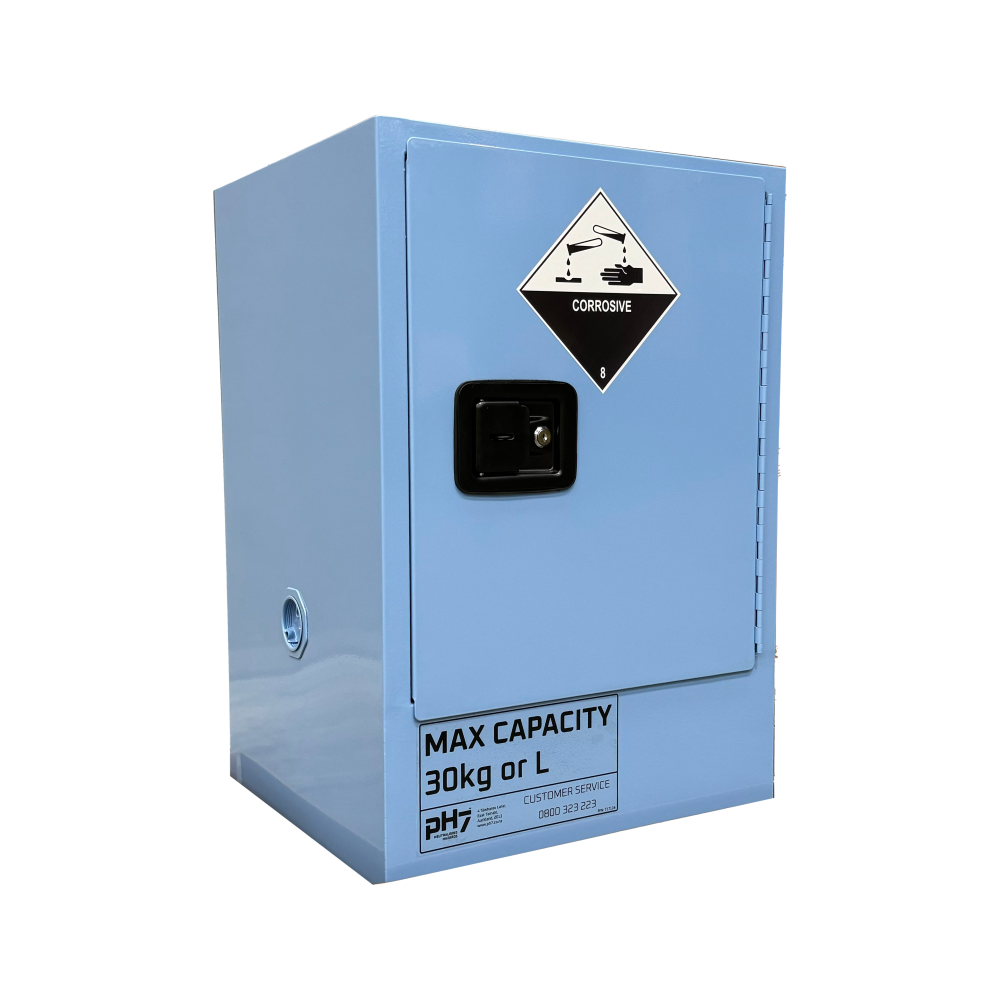
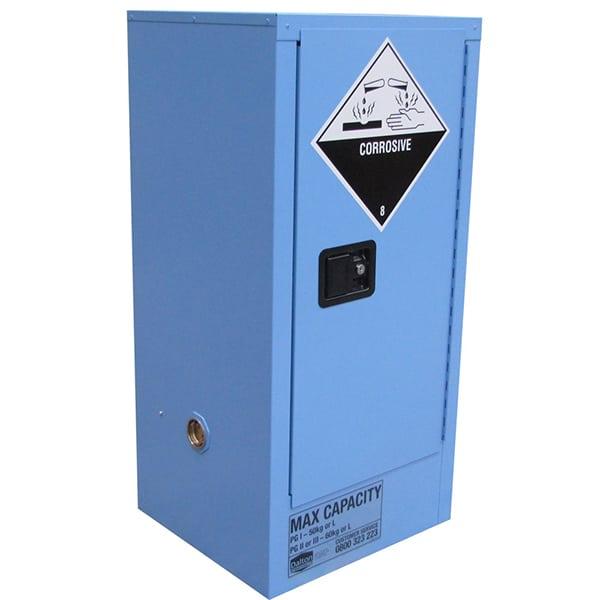
pH7 manufactures a wide range of Hazardous Goods Storage Cabinets (a.k.a. DG Cabinets) for indoor storage of hazardous substances. All our cabinets are designed to meet the relevant Australian/New Zealand standards and are full of “Best in Class” features; including:
Read more…
When deciding on Hazardous Substance Storage Cabinet, there’s more to consider than just price. You will also need to consider:
If it all seems a bit confusing, don’t worry, our highly trained and experienced team, can provide advice on the best solution for your needs to ensure you are compliant and can get on with your business.
To get started you can have a look at the products and videos we’ve listed here. You can also download our Hazardous Goods Storage Catalogue, which gives you an overview of some of the most common solutions.
To speak with one of the team about your indoor storage needs give us a call on 0800 323 223 or use the chat function on the bottom right of our webpage. Ask us about coming to your site and doing a site storage risk assessment.
Read less
Home / Products / Hazchem Chemical Storage / Dangerous Goods Storage Cabinets
Explore our Indoor Dangerous Goods Cabinets for safe storage of hazardous materials. With robust construction and compliance assurance, they ensure workplace safety.
Dangerous goods cabinets are designed to safely store hazardous substances such as flammable liquids, corrosives, oxidising agents, and toxic chemicals inside workplaces. Their purpose is to contain spills, reduce fire risk, and prevent chemical incompatibility hazards within indoor environments.
Each of our cabinets are built with double-walled, fire-resistant steel construction and a liquid-tight sump to capture leaks or spills. Doors are self-closing and self-latching, ensuring the cabinet remains sealed in the event of fire or accidental impact.
pH7 cabinets are designed to meet the relevant construction requirements as set out in the following standards:
AS/NZS1940-2004 – The Storage and Handling of Flammable and Combustible Substances.
AS3780-2023 – The Storage and Handling of Corrosive Substances
AS/NZS 4452:2025 – The Storage and Handling of Toxic Substances
AS4326-2008 – The Storage and Handling of Oxidising Substances
AS/NZS5026-2012 – The Storage and Handling of Class 4 Dangerous Goods
Choosing the right cabinet depends on the type and class of chemical you’re storing. Each hazardous substance requires a specific cabinet design and construction that meets its safety standard.
Here’s a quick guide:
When selecting a cabinet, consider:
pH7’s technical team can help you assess your chemical inventory and recommend the most compliant and practical storage configuration for your site.
Proper installation is essential for maintaining regulatory compliance and safe operation. For example, here are some of the location requirements for flammable storage cabinets as set out in AS/NZS 1940:
For flammable cabinets, ensure there is no electrical equipment or heat source within the cabinet’s classified hazardous zone. Anchoring or wall securing is recommended to prevent tipping during seismic events – an important consideration for New Zealand workplaces.
Routine inspection and maintenance ensure your cabinet remains structurally sound, compliant, and effective over time.
Follow these best practices:
Cabinets exposed to chemical vapours or moisture should be ventilated periodically to prevent corrosion, following the manufacturer’s ventilation specifications.
All pH7 cabinets are built from durable, powder-coated steel with chemical-resistant finishes, but regular cleaning using neutral pH detergents and avoiding abrasive solvents will extend their lifespan.
No, chemicals from different hazard classes should never be stored together unless they are chemically compatible. Incompatible substances can react violently, cause fires, release toxic gases, or compromise containment integrity.
Under the Health and Safety at Work (Hazardous Substances) Regulations 2017 and EPA New Zealand guidance, dangerous goods must be segregated according to their hazard class and compatibility group. For example:
Each cabinet is clearly labelled with its approved storage class, and only chemicals of that class should be stored inside.
If multiple hazard classes must be stored in the same area, ensure they are housed in separate, correctly labelled cabinets, maintaining the minimum segregation distances specified in the regulations.
WANT TO HEAR ABOUT OUR
LATEST UPDATES?
SIGN UP TO OUR MAILING LIST