Our ALL NEW Glove Range is now available! Click here to browse a wide variety of gloves.

Hand Protection

Hand injuries are among the most common workplace incidents, especially in environments involving hazardous substances, sharp tools, repetitive manual tasks, or electrical risks. Choosing the right protective gloves is essential not only for injury prevention, but for maintaining compliance with NZ workplace safety standards such as the Health and Safety at Work (General Risk and Workplace Management) Regulations 2016.

Read more…

Whether you’re managing a processing plant, a construction site, or a laboratory, your team faces daily exposure to risks such as:

  • Cuts and abrasions from handling sharp or abrasive materials
  • Skin damage from exposure to corrosive chemicals or solvents — where chemical resistant gloves are vital
  • Blunt force trauma from impact or vibration
  • Thermal burns or cold stress — mitigated with thermal gloves or thermal work gloves
  • Electrical shock or arc flash hazards
  • Hygiene-sensitive tasks requiring disposable gloves or latex gloves

To address these varied risks, our hand protection range is organised into eight specialised categories, helping you match the right glove — from nitrile gloves to heavy duty gloves for chemical use — to the task at hand. Our gloves are sourced to meet rigorous quality, comfort, and safety standards and are trusted by professionals across agriculture, manufacturing, logistics, healthcare, utilities, and more.

Our Hand Protection Categories Include:

Examination and Disposable Gloves
Ideal for hygiene-critical applications such as medical, food handling, and laboratory work. These single-use options include disposable gloves, nitrile gloves, and latex gloves, providing barrier protection while maintaining tactile sensitivity.

General Purpose Gloves
Versatile protective gloves designed for everyday tasks in warehousing, maintenance, and general handling. These gloves offer grip, comfort, and protection against light mechanical risks.

Cut Resistant Gloves
Engineered for environments where sharp tools, glass, or metal edges pose a risk. Available in various cut protection levels (A to F) to suit your specific task, including chemical and cut resistant gloves for dual hazards.

Impact Protection Gloves
Built to shield hands from knocks, crush hazards, and vibration. Ideal for heavy industry, construction, and tasks involving power tools or machinery.

Chemical Gloves
Provide resistance to a wide range of hazardous substances, including acids, solvents, and caustics. Our range includes long chemical gloves, rubber gloves, and heavy duty gloves for chemical handling, suitable for cleaning, manufacturing, and industrial processing.

Thermal Gloves (including Welding Gloves)
Protect hands against extreme heat, cold, and thermal hazards. Designed for welding, outdoor work, and temperature-sensitive environments, our selection includes thermal gloves and thermal work gloves.

Electrical Protection Gloves
Insulated gloves tested for electrical resistance and arc flash safety. Essential for electricians and workers operating near live voltage.

Sleeves and Arm Protection
Extend protection beyond the wrist. These sleeves guard against cuts, burns, and chemical splashes — a perfect companion to chemical resistant gloves and cut resistant gloves for full-arm coverage.

We understand that selecting the right protective gloves can be complex. That’s why we support our customers not just with products, but with expert advice, site audits, and various PPE solutions. If you’re unsure what level of protection your site requires, speak to our team – we can assist with glove selection, product trials, or safety training tailored to your work environment.

Read less

BROWSE BY CATEGORY

From chemical exposure to sharp materials, impact hazards to electrical risks, the right glove makes all the difference. Our hand protection range is organised into eight key categories to help you find exactly what you need: examination and disposable gloves, general purpose gloves, cut resistant gloves, impact protection gloves, chemical gloves, thermal gloves, electrical protection gloves, and protective sleeves for arm coverage.

Whether you’re working in a lab, workshop, processing plant, or out in the field, we supply gloves and sleeves designed to meet New Zealand safety standards and perform in demanding conditions. Choose the right protection to keep your hands safe, comfortable, and compliant on the job.

BROWSE ALL HAND PROTECTION

Total Products: 100

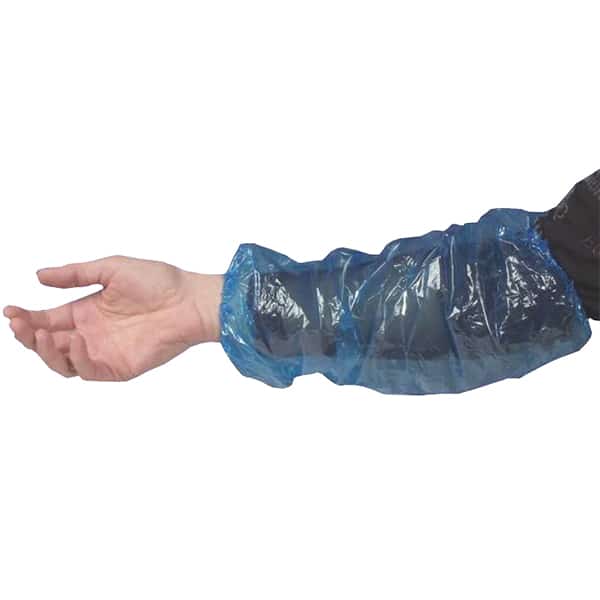
PE Sleeve Covers – Blue

SKU: PESC005B

PE Sleeve Covers – White

SKU: PESC001

PE Sleeve Covers Extra Long – White

SKU: PESC003

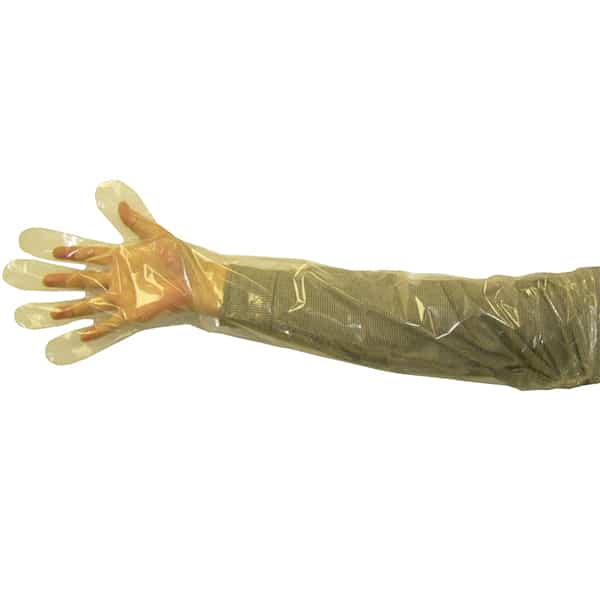
PE Vet Gloves

SKU: VET

FREQUENTLY ASKED QUESTIONS

What types of hand protection are there for industrial and hazardous tasks?

pH7 supplies a comprehensive range of Ansell hand protection solutions, engineered for high performance across chemical handling, industrial operations, and general workplace safety. Our range includes:

  • Examination and Disposable Gloves – Nitrile, neoprene and latex gloves designed for chemical splash protection, hygiene control, and precision handling in laboratories, healthcare, and light industrial environments.
  • General Purpose Gloves – Durable gloves for maintenance, warehousing, manufacturing, and material handling, offering abrasion and grip performance for everyday tasks.
  • Cut Resistant Gloves – High-performance gloves certified to EN 388 and ISO 13997, incorporating INTERCEPT™ yarns for protection against sharp edges, blades, and sheet metal.
  • Impact Protection Gloves – Designed with ANSI/ISEA impact-rated TPR back-of-hand protection, ideal for construction, assembly, and environments with pinch, crush, or impact hazards.
  • Chemical Resistant Gloves – Nitrile, neoprene, PVC, and butyl formulations tested for permeation resistance (EN 374) against acids, solvents, caustics, fuels, and aggressive chemicals.
  • Thermal Gloves – Insulated gloves designed for heat resistance (EN 407) or cold environments, offering protection in foundries, manufacturing lines, cold storage, and outdoor winter work. As well as gloves suitable for welding operations.
  • Electrical Gloves – Class-rated insulating gloves compliant with ASTM D120 / EN 60903, used for live electrical work and protection from arc flash and electrical shock hazards.
  • Sleeves and Arm Protection – Sleeves used to protect forearms when working. Suitable for cut protection or general purpose.

Each product category is engineered by Ansell using advanced materials and ergonomic design technologies, ensuring your workforce meets both WorkSafe NZ requirements and industry best practice for safe, high-performance hand protection.

How do I choose the right glove for my task or chemical hazard?

Choosing the right glove starts with identifying task type, chemical exposure, and mechanical risk levels. Each glove category in the pH7 range is engineered for specific hazards:

  • Chemical Gloves – Select based on Ansell’s permeation and breakthrough time data for the exact chemical in use. Materials like nitrile, neoprene, PVC, and butyl offer different resistance profiles.
  • Cut Resistant Gloves – Match the ISO 13997 cut level (A–F) to the severity of your task – from light assembly to handling sheet metal or sharp blades.
  • Impact Protection Gloves – Choose gloves with ANSI/ISEA impact ratings for tasks where back-of-hand protection is crucial (construction, rigging, mechanical assembly).
  • Disposable Gloves – Ideal for splash protection and precision work. Nitrile provides stronger puncture and chemical resistance than latex.
  • Thermal and Cold-Weather Gloves – Select based on the required EN 407 heat rating or insulation level for refrigerated or outdoor environments, or welding operations.
  • Electrical Gloves – Choose gloves with the appropriate ASTM D120 or EN 60903 class rating depending on the system voltage.

Our team can match your tasks and chemical inventory to the correct Ansell glove using SDS data, permeation charts, and WorkSafe NZ hazardous substance requirements. Ask our team about performing an Ansell GUARDIAN assessment which can lead to injury reduction, reduced cost to protect, increased compliance as well as PPE portfolio complexity reduction.

How do I ensure my gloves fit correctly and provide the intended level of protection?

To ensure proper fit and performance:

  • Measure hand circumference at the knuckles and match it to Ansell’s size chart.
  • Gloves should fit snugly but not restrict movement – excess looseness reduces grip and increases snag hazards.
  • For chemical gloves, ensure sleeves can be tucked over or under the cuff to maintain a sealed barrier.
  • Inspect gloves before every use for degradation, cracks, swelling, thinning, or stiffening – all signs of chemical wear.
  • Replace gloves immediately after any exposure to chemicals with short breakthrough times, or after physical damage.
  • Follow manufacturer-recommended change-out schedules, especially for reusable chemical-resistant gloves.
  • When connecting chemical gloves to a chemical suit consider the Ansell Glove Connector rather than using tape.
How long do protective gloves last and when should they be replaced?

The lifespan of protective gloves depends on the material, exposure level, and application.

  • Disposable gloves (nitrile or latex) are designed for single-use and must be discarded immediately after contamination, tearing, or chemical exposure.
  • Chemical-resistant reusable gloves should be replaced when signs of swelling, tackiness, brittleness, softening, or discolouration appear – all common indicators of chemical degradation.
  • Cut-resistant and general-purpose gloves wear out when the coating thins, fibres become exposed, or grip performance declines.
  • Impact gloves should be replaced after significant impact events or if the TPR back-of-hand protection becomes damaged or detached.
  • Electrical insulating gloves require regular dielectric testing and should be replaced immediately if cracks, pinholes, or signs of aging are detected.
Can different gloves be worn with other PPE such as coveralls, sleeves, and respirators?

Yes, our hand protection range is designed to integrate effectively with other PPE to maintain a continuous protective barrier.

To ensure compatibility:

  • Chemical gloves should form a sealed overlap with coverall sleeves, either by tucking sleeves into gauntlets or using elasticated cuffs to prevent drips from entering the glove.
  • Cut-resistant sleeves can be worn under or over gloves depending on the hazard, ensuring protection extends from the wrist to the upper arm.
  • Disposable gloves pair well with respiratory protection and splash-resistant clothing in laboratory and chemical handling settings.
  • Insulating electrical gloves must not contact conductive materials – pair them with electrical-rated leather protectors for mechanical protection.
  • Thermal gloves should match the heat resistance level of any apron or garment being worn to prevent thermal bridging.

pH7 can recommend complete PPE system configurations, ensuring every glove type integrates safely with your PPE for full-site compliance.

WANT TO HEAR ABOUT OUR
LATEST UPDATES?

SIGN UP TO OUR MAILING LIST